The EU's 72-Hour Advice: What the Preparedness Strategy Asks of You
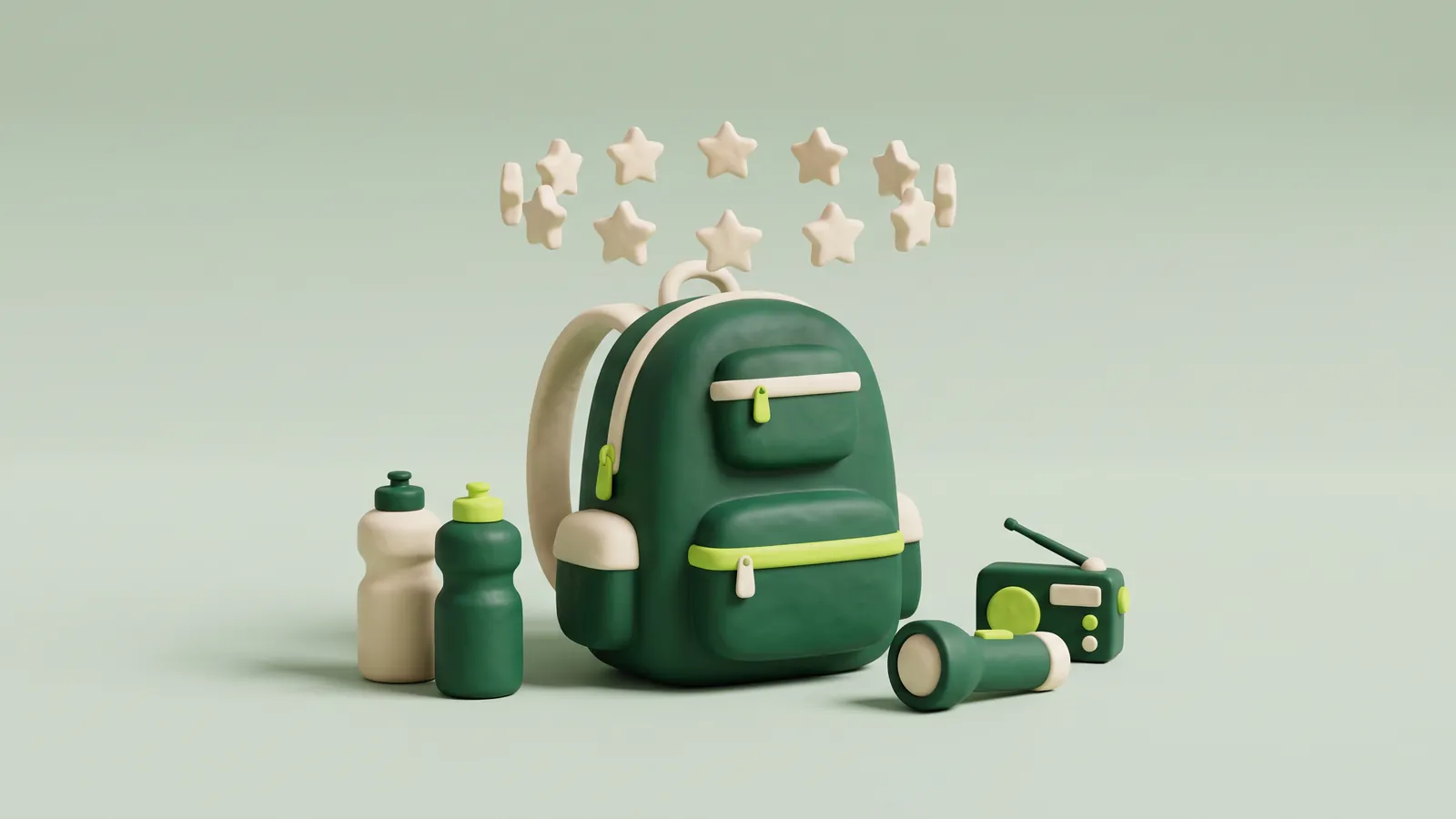
Quick answer: On 26 March 2025 the European Commission published its Preparedness Union Strategy. One of its headline aims is that people in the EU can look after themselves for at least 72 hours (three days) if a crisis cuts them off from normal services. In practice that means water, food, medicines, light, a radio, cash and a plan for everyone in your home. The EU sets the goal; your national government sets the detail.
Three days is a starting point, not a ceiling. Some EU countries already ask for more. Here is what the EU actually said, what has happened since, and how to turn it into a shopping list.
What the EU announced in March 2025
The Preparedness Union Strategy is the EU’s first plan to help member states prevent and respond to a wide range of crises. It covers natural disasters, human-caused disasters, cyber attacks and other hybrid threats, and geopolitical crises, including armed aggression.
The strategy contains 30 key actions and an action plan. The ones that touch households most directly are:
- 72-hour self-sufficiency. The Commission said it would develop guidelines so that the population can be self-sufficient for a minimum of 72 hours.
- Preparedness in schools. Lessons on preparedness are to be added to school curricula and teacher training.
- An EU Preparedness Day. A new day to raise public awareness. No date had been fixed on the Commission’s pages we checked.
- Better warnings. Stronger early warning systems, so people get alerts in time.
- An EU Crisis Hub to join up the EU’s existing crisis structures.
The strategy builds on the Niinistö report on EU preparedness, which concluded that civilian and military preparedness needed strengthening urgently and called for a change of mindset.
Why 72 hours?
The idea is simple. In a large emergency, the first few days are the hardest. Rescue services go first to the people in greatest danger. If most households can manage on their own for three days, help reaches those who cannot.
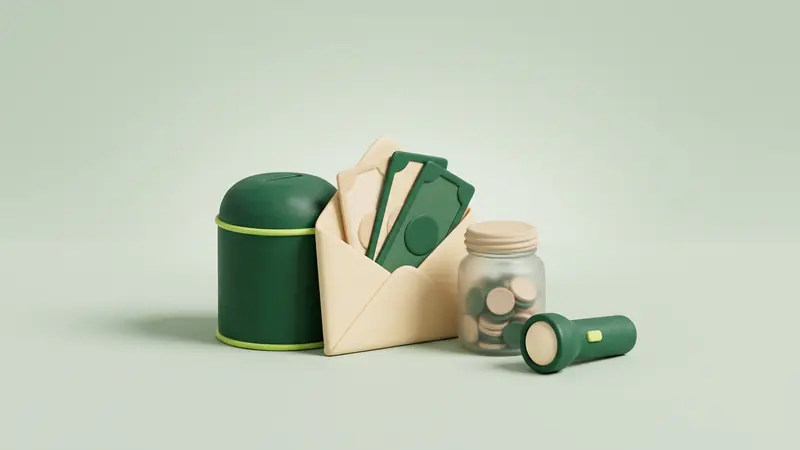
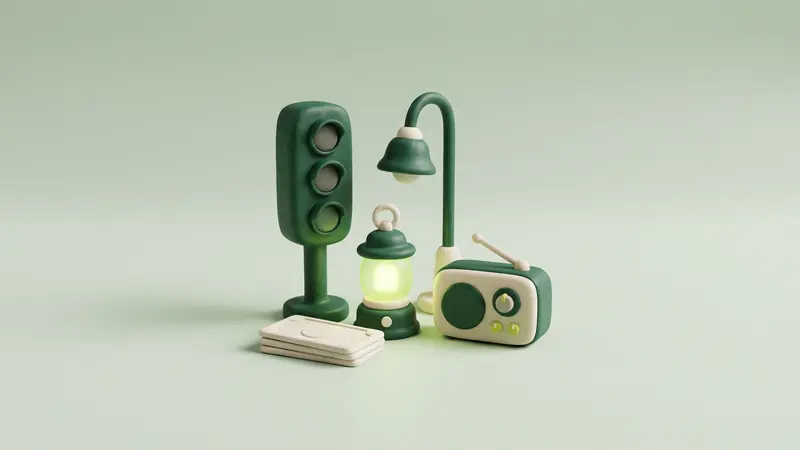
When the strategy launched, Reuters reported that Commissioner Hadja Lahbib shared a video of the kind of things people should have ready: food and water, a torch, a power bank, a radio, cash and medication.
What has happened since
The 72-hour aim has not been dropped. It has been built on.
- 9 July 2025: EU Stockpiling Strategy. The Commission published its first EU-wide approach to stockpiling essential goods such as food, water, fuel and medicines. This one is about governments, not households. It set up an EU Stockpiling Network so national stockpiling authorities can coordinate, plus more EU-level reserves and better transport and logistics.
- 20–23 March 2026: European Citizens’ Panel on Preparedness. The Commission brought 150 randomly selected citizens to Brussels to discuss how to put the strategy into practice. At that point the Commission described the EU as already giving guidance on 72-hour household self-sufficiency.
- 23–24 March 2026: one-year conference. A two-day conference in Brussels took stock of progress one year on.
- 26 May 2026: 20 citizens’ recommendations. After almost three months of deliberation, the panel handed the Commission 20 recommendations. They include door-to-door outreach and leaflets promoting the 72-hour self-sufficiency guidelines, common symbols for crisis locations across the EU, and warnings tailored to older people and people with disabilities. The Commission says these will feed into how the strategy is carried out.
The EU has not created a legal duty for households to stockpile. The 72-hour figure is guidance. National governments decide how to communicate it, and many already have.
What 72 hours looks like in a real home
The EU does not publish its own per-person shopping list, so the most useful figures come from national agencies. These are the amounts some EU governments give:
| Supply | What national guides say | For one person, 3 days |
|---|---|---|
| Drinking water | Netherlands and Poland: at least 3 litres a day. Germany: 2 litres a day including cooking | 6–9 litres (about 1.6–2.4 US gallons) |
| Food | Ready-to-eat, long-life food that needs little or no cooking | 3 days of meals and snacks |
| Medicines | Your usual prescriptions plus basic first aid | At least 3 days, ideally more |
| Light and power | Torch, spare batteries, charged power bank | One torch per person |
| Information | Battery or wind-up radio | One per household |
| Money | Cash in small notes, as card payments may fail | Enough for 3 days of essentials |
Start with water, because it runs out first. Our guide on how much water to store explains how to store it safely and how to plan for hot weather, babies and pets.
Then build a basic kit. The 72-hour emergency kit guide lists everything by category, so you can tick it off as you go.
What it means for you, wherever you live in the EU
The EU goal is the floor. Your own country may ask for more, and its advice is the one to follow:
- Germany asks households to aim for 10 days, with at least 3 days as a minimum. See Germany’s 10-day emergency supplies.
- The Netherlands runs the Denk vooruit campaign around 72 hours. See the Dutch 72-hour emergency kit.
- Poland and the Baltic states have each sent households their own guides, from three days to a week. See Poland and the Baltics’ civil defence guides.
- The Nordic countries have long-running advice of their own: Sweden, Finland and Denmark.
Three days is also the level that copes with the most common problems: a long power cut, a burst water main, a storm or a payment system outage. If you live somewhere rural, have a baby, care for someone, or rely on medicines or powered equipment, plan for longer.
Not sure where you stand today? See how many days your household would last with our free calculator. It takes a couple of minutes and shows your gaps.
Your 72-hour checklist
- Water: at least 3 litres per person per day, for 3 days
- Long-life food that needs little or no cooking
- Prescription medicines and a first aid kit
- Torch for each person, spare batteries and a charged power bank
- Battery or wind-up radio
- Cash in small notes
- Copies of ID and important documents
- Supplies for babies, older relatives and pets
- A household plan: how you will contact each other and where you will meet
- A reminder to check dates and rotate stock every six months
None of this needs to be bought in one go. Add a few items each week and you will reach three days sooner than you think. For the most accurate advice, follow your national and local authorities.
Sources & further reading
- European Commission (Malta Representation) – EU Preparedness Union Strategy launched, 26 March 2025
- European Commission – EU preparedness union strategy topic page
- European Commission (Cyprus Representation) – EU Stockpiling and Medical Countermeasures Strategies, 9 July 2025
- European Commission (Luxembourg Representation) – 150 citizens invited to shape preparedness actions, 19 March 2026
- EU Civil Protection – Conference marking one year of the strategy, 23 March 2026
- EU Civil Protection – Commission receives 20 citizens’ recommendations, 26 May 2026
- EU Civil Protection – Preparedness
- Reuters (via Yahoo News) – EU tells the public to hold 72 hours of emergency supplies
- Euronews – Brussels asks EU citizens to put together a 72-hour emergency kit
Every fact in this post was checked against the sources listed above on 1 November 2026. Advice changes: always follow your local authorities.
Put it into numbers
See how many days your household would last today, and what it costs to reach your goal.